Support Native Forest Restoration
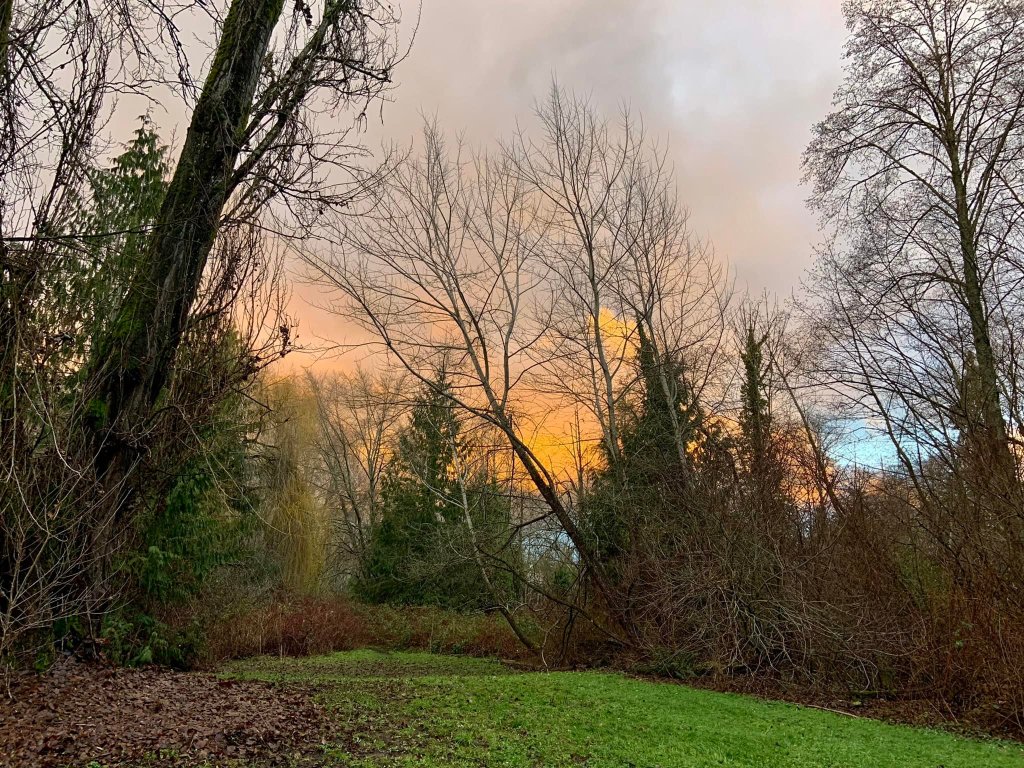
Friends of Paramount is dedicated to enhancing the ecological and community value of Paramount Open Space, a conservation area owned by the City of Shoreline. Our goal is to improve the ecological value of the area through forest restoration including the removal of invasive species and management for native plants best suited to the site. Beyond improved aesthetics and ecological function gained from forest restoration activities, we also wish to increase value by engaging with the community, improving trails, and providing opportunities for environmental education.
We hope you are able to get outside and enjoy Paramount Open Space!
Restoration
What We Do
Removal
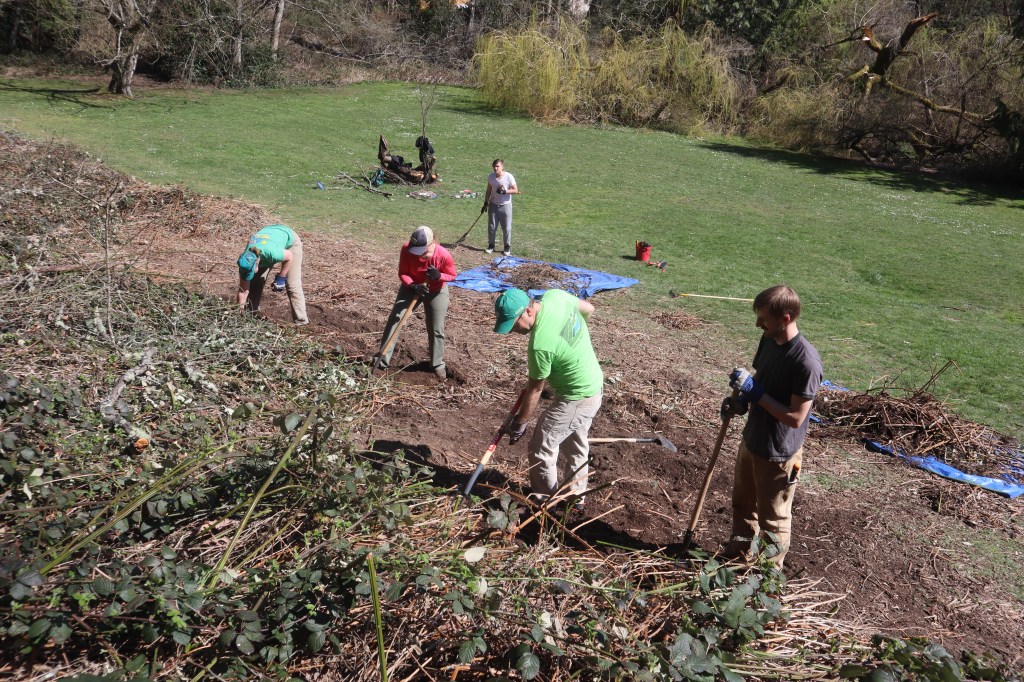
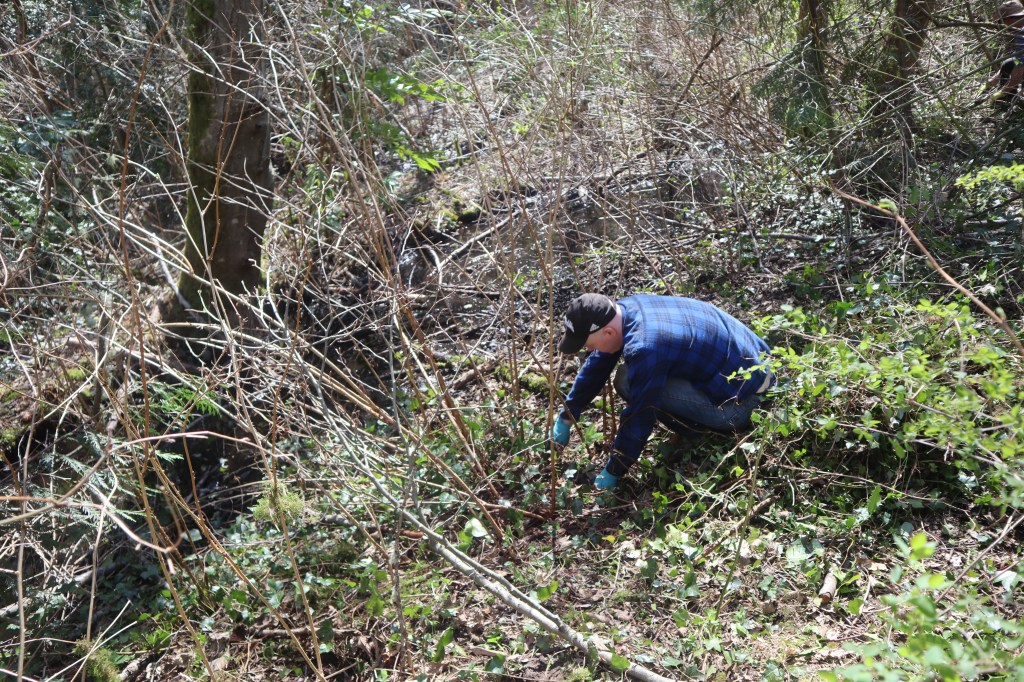
During the removal phase the majority of invasive plants are removed. It is critical to remove as much of the root stock as possible since many invasive species aggressively resprout from remaining material. Manual labor is used for initial removal and we heavily depend on volunteers during monthly work parties to accomplish much of this work. The two most pervasive species at Paramount are English ivy and Himalayan blackberry. Other common invasive species include sycamore maple, English laurel, and English holly.
Planting
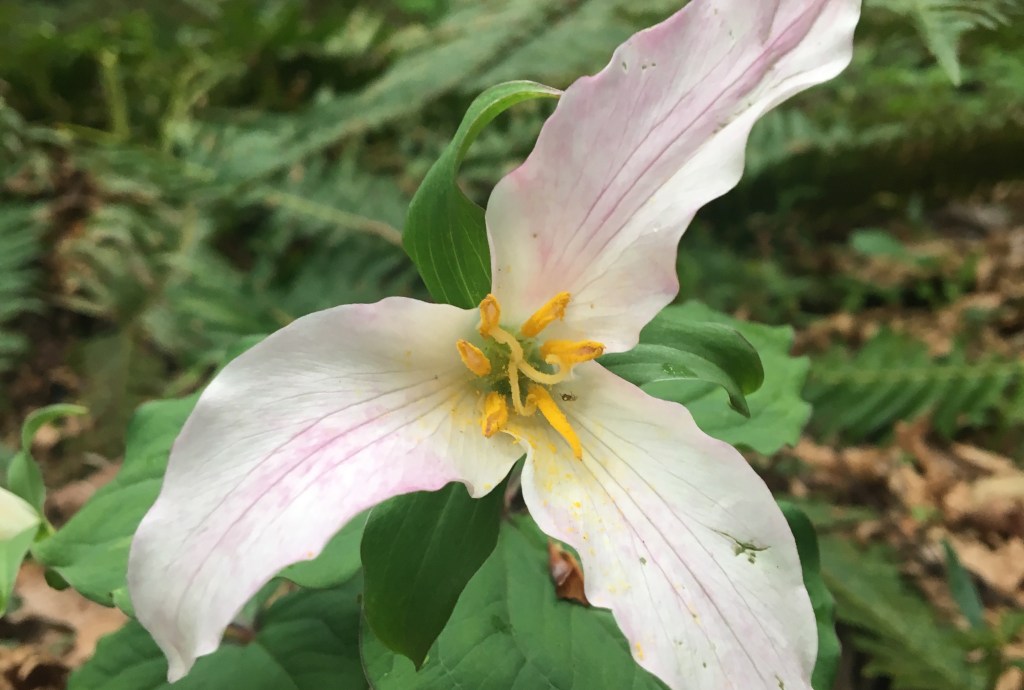
The planting phase can occur in several ways. The most rewarding, of course, is planting, because there is an immediate visual impact. Spreading seed should be considered as an alternative because planting is expensive, time consuming, and mortality rates can be high. Seeding can be a cheaper and more effective approach as long as species are adapted to site conditions. The easiest way to establish new plants is to let existing plants re-seed. All three techniques have been used at this location.
Maintenance
Often the most time consuming part of restoration is the maintenance phase. Frequent site visits are needed to keep invasive species in check. Not only will plants that were initially removed sprout again, but other invasive species will try and fill the void left by initial removal. At Paramount Open Space, creeping buttercup and bindweed are the two biggest culprits. Left unattended weedy invasive species can recolonize areas that were cleared within a few months quickly undoing the hard work accomplished by volunteers.
Ecological restoration is important because invasive species will slowly take over our forests dramatically changing their character, reducing habitat for wildlife, and diminishing biological diversity. In short, the soaring evergreen forests so iconic to the Pacific Northwest will slowly convert to shrub and become vine-dominated like the slopes along Intertstate 5.
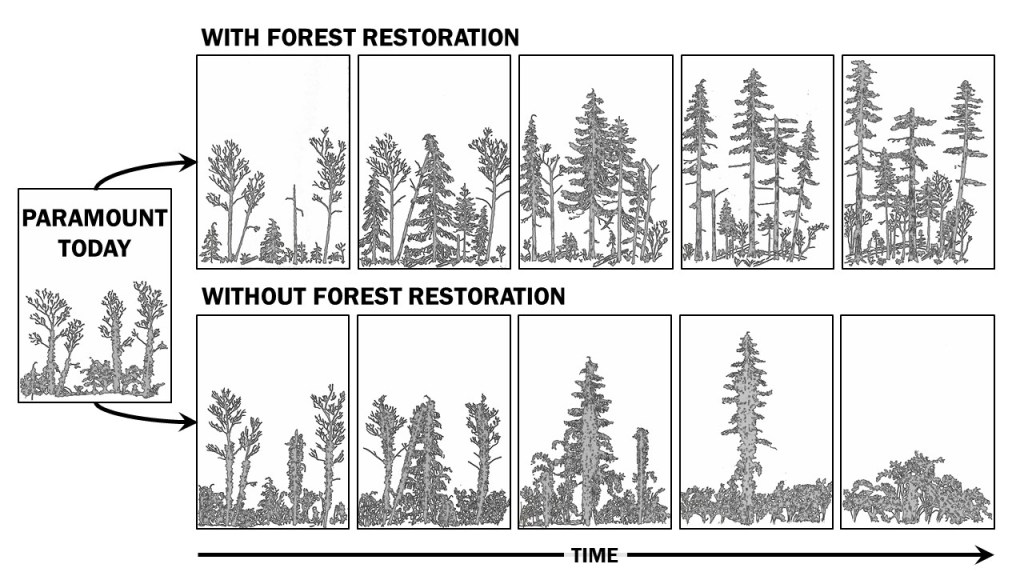
Restoring native forests is no easy task. In 2018 it took 402 volunteer hours to initiate restoration on 1 acre, or about 10% of the park.
Latest Updates
- Work Party – June 8, 2025Join us for some fresh air while we continue to battle the various weeds. We could use all the help we can get because, unfortunately, the weeds in the areas we previously cleared are standing their ground. Literally! When: Sunday,Continue reading “Work Party – June 8, 2025”
- Work Party – March 18, 2025Spring is around the corner, a perfect time to enjoy the outdoors. Won’t you join us for our upcoming work party? When: Tuesday, March 18Time: 10 am – 2 pmParamount Open Space946 NE 147th StShoreline, WA Friends of Paramount volunteers continueContinue reading “Work Party – March 18, 2025”
- Work Party – February 24, 2025We invite you to our upcoming work party! We’re excited to continue our restoration efforts at Paramount Open Space with the help of volunteer neighbors, friends, and family. People of all ages welcome as no experience is necessary. A greatContinue reading “Work Party – February 24, 2025”
